
Understanding the psychological triggers that compel individuals to gamble
Understanding the psychological triggers that compel individuals to gamble
The thrill of risk and uncertainty
The allure of gambling often stems from the inherent thrill associated with risk-taking. This excitement can be a significant motivator for many individuals, as the unpredictability of outcomes elicits a strong emotional response. If you want to make the most of your gaming experience, you might want to play aviator, as the possibility of winning big creates a rush that can be addictive, leading individuals to seek out gambling opportunities, whether in a casino or online platform.
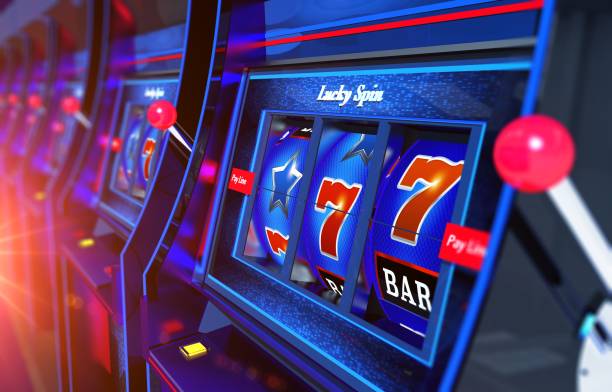
Moreover, the anticipation of a potential reward can release dopamine, a neurotransmitter linked to pleasure and satisfaction. This chemical reaction not only enhances the thrill of the moment but can also condition individuals to seek out further gambling experiences, reinforcing the cycle of desire and risk.
The role of social influence
Social dynamics play a crucial role in gambling behavior. People often gamble within social settings, whether it’s at a bustling casino with friends or in an online chat room while playing poker. These social interactions can amplify the excitement and create a sense of belonging, which can be particularly appealing for those who feel isolated or disconnected in other aspects of their lives.
Additionally, the competitive nature of many gambling activities can further entice individuals to participate. Witnessing peers winning can evoke envy and a desire to replicate those successes, driving people to gamble even when they may have reservations. This social pressure can often override rational decision-making, leading individuals to bet beyond their means.
The impact of marketing and advertising
Marketing strategies employed by casinos and online gambling platforms are designed to evoke emotional responses that encourage gambling. By utilizing enticing visuals, promotional offers, and celebrity endorsements, these campaigns tap into the desires and fantasies of potential gamblers. The portrayal of gambling as a glamorous and exciting activity can make it more appealing, especially to newcomers.
Furthermore, the use of “near misses,” where players come close to winning but ultimately do not, can create an illusion of potential success. This tactic often leaves players feeling motivated to try again, mistaking frustration for a sign that victory is just within reach. Such marketing techniques can significantly contribute to the compulsion to gamble, even among those who may not fully understand the odds involved.
Emotional escape and coping mechanisms
For some individuals, gambling serves as a form of escape from stress, anxiety, or emotional distress. The immersive environment of a casino or the virtual experience of online gambling can provide a temporary reprieve from the challenges of everyday life. This coping mechanism, while initially offering relief, can lead to a dependence on gambling as a way to manage emotions.
Additionally, the highs and lows associated with gambling can create an emotional rollercoaster that some individuals find captivating. The contrast between winning and losing can evoke intense feelings, leading individuals to chase the next high. Over time, this emotional dependency can develop into problematic gambling behavior, making it essential to understand the psychological triggers behind it.

Understanding gambling behavior through awareness
Recognizing the psychological triggers that compel individuals to gamble is crucial for developing effective prevention and treatment strategies. By understanding these underlying motivations, stakeholders, including mental health professionals, educators, and policy-makers, can create more targeted interventions aimed at reducing harmful gambling behaviors.
Increasing awareness around responsible gambling practices and promoting healthy coping mechanisms can empower individuals to make more informed choices. Furthermore, providing access to support resources can help those struggling with gambling addiction find the help they need to regain control over their lives.