
How Alcohol Impacts Your Immune System: Risks And Effects Explained
These changes in turn compromise the organism’s ability to respond to pathogens and contribute to increased susceptibility to infections. The negative impact of alcohol on the immune system can have serious consequences for overall health. Individuals who consume excessive amounts of alcohol marijuana addiction are more susceptible to infections, such as pneumonia and tuberculosis. They are also at a higher risk of developing chronic diseases, including liver disease, cardiovascular disease, and certain types of cancer. Furthermore, alcohol can impair the function of immune cells, such as macrophages and T cells.
Impact of Alcohol Abuse on the Adaptive Immune System
If you choose to use artificial sweeteners, moderate consumption within recommended guidelines appears to be key. Natural alternatives like stevia or small amounts of natural sweeteners may be preferable for some individuals. Importantly, not all studies agree on these effects, and regulatory agencies like the FDA maintain that approved artificial sweeteners are safe when consumed within established daily intake limits.
Increased infection risk with alcohol use
Think dark leafy greens, cruciferous vegetables, wild-caught fish, organ meats as tolerated, coconut-derived fats, and colorful vegetables. Several studies have demonstrated the dose-dependent effect that alcohol has on preventing both monocytes and macrophages from binding to the bacterial cell wall component lipopolysaccharide (LPS). For more detailed information on alcohol and https://k3kuat.com/5-3-mixed-costs-managerial-accounting/ immune health, you can visit the National Institute on Alcohol Abuse and Alcoholism (NIAAA) and the CDC’s alcohol facts page.
Molecular Mechanisms of Dose Dependent Modulation of Immunity
- It is important to highlight other components like polyphenols, antioxidants and vitamins present in beer or wineReference González-Gross, Lebrón and Marcos26, Reference Percival and Sims27, when studying the health effects of these beverages.
- For those with a history of heavy drinking, consulting a healthcare provider for personalized advice on gut restoration is advisable.
- These cells are essential for fighting infections, but when overstimulated by alcohol, they produce excessive amounts of cytokines like tumor necrosis factor-alpha (TNF-α) and interleukin-6 (IL-6).
- Reduced IgE levels were also observed and may be related to the observed decrease in IgE synthesis regulators, IL-13 and CD40 ligand.
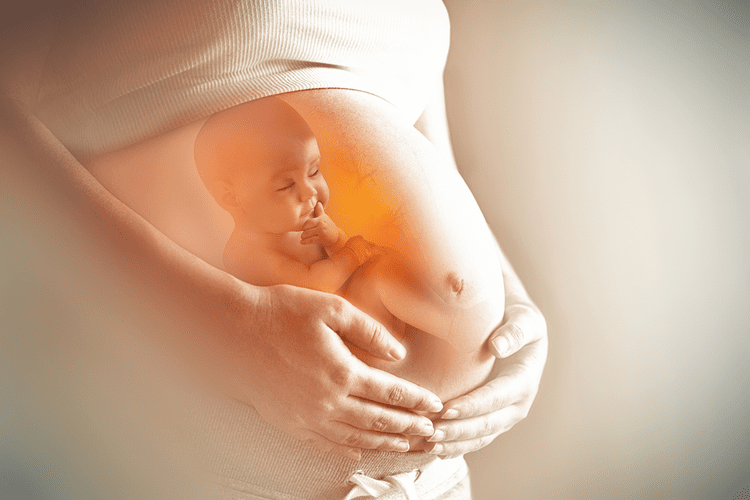
Finally, alcohol exposure in utero significantly interferes with the development of T cells and B cells, which ultimately might increase risk for infections during adulthood. Studies have shown that excessive alcohol intake disrupts the function of immune cells such as macrophages and T-cells, which play key roles in defending the body against pathogens. According to the World Health Organization (WHO), heavy drinking is linked to increased susceptibility to diseases like pneumonia, tuberculosis, and even COVID-19. In fact, research published by the National Institutes of Health (NIH) indicates that chronic alcohol use can reduce the ability of the immune system to respond adequately to infections. Consider the immune system as a finely tuned orchestra, where each cell and protein plays a specific role.
- Eating regular meals to maintain stable blood sugar levels, avoiding excessive caffeine and alcohol, and consuming enough vitamins and minerals are all important.
- One of the key ways to minimize the impact of alcohol on the immune system is to consume alcohol in moderation.
- When we talk about how alcohol consumption weakens the immune system, it’s important to understand the underlying science that explains this connection.
- The ability of alcohol to alter both innate and adaptive immune defenses inevitably impacts how the immune system of even a moderate alcohol drinker can respond to infections.
- It’s also worth noting that alcohol’s impact on the immune system is dose-dependent.
- Chronic alcohol consumption can also deplete essential nutrients needed for proper immune function.
Additionally, alcohol can exacerbate existing health conditions, such as autoimmune disorders, by further weakening the immune system. Beyond these factors, genetics, body mass, overall health, and co-existing conditions also shape how an individual’s immune system responds to alcohol. If you have concerns about your immune function or how your diet may be affecting your health, consult with a healthcare provider or registered dietitian who can provide personalized guidance based on your individual needs and health status. Replacing refined carbohydrates with nutrient-dense, fiber-rich alternatives supports both blood sugar regulation and immune health.
Does Drinking Make Appendicitis Worse?
- Yes, excessive or chronic alcohol consumption can impair the immune system, making the body more susceptible to infections and diseases.
- Always follow your doctor’s recommendations regarding alcohol consumption while on medication.
- Another critical aspect is how alcohol affects the gut microbiome, which plays an essential role in immune health.
- Comparing chronic drinkers to moderate drinkers highlights the stark differences in immune resilience.
- The immune system can begin to recover within weeks to months after quitting alcohol, depending on the extent of damage and overall health.
Finally, a cell permeable GP96 specific inhibitor, PU-WS13, and GP96-siRNA markedly decreased pro-inflammatory cytokine production in primary murine macrophages, thus confirming a vital role for GP96 in macrophage activation. These findings highlight a novel and critical role for a liver macrophage endoplasmic reticulum resident chaperone, GP96, in ALD and GP96 targeted inhibition represents a promising therapeutic approach in ALD. Alveolar epithelial barrier disruption and subsequent pulmonary leakage are major contributors to ARDS (Liang et al., 2012, Burnham et al., 2003). However, the relationship between inflammasome activation and chronic alcohol-induced lung barrier dysfunction has not previously been examined. NOD-, LRR- and pyrin domain-containing protein 3 (NLRP3) inflammasome activation diminishes tight junction protein levels and barrier integrity (Gao et al., 2015, Grassme et al., 2014). Also, earlier findings have demonstrated that inflammasome activation is suppressed by activation of PPARγ (Piantadosi and Suliman, 2017, Kane and Drew, 2016).

Can sun exposure help all types of psoriasis?
“By damaging those cells in your intestines, it can make it easier for pathogens to cross into your bloodstream,” says Nate Favini, MD, medical lead at Forward, a preventive primary care practice. That is, by drinking too much, you decrease your body’s defensive mechanisms to fight off a cold, virus, or other bacterial or viral infections. In conclusion, alcohol’s disruption of the gut microbiome is a significant does alcohol weaken immune system contributor to its immune-suppressing effects.